
Plover People Search
Plover People Search works best when you keep the village offices and the state record pages in the right order. A street name, a person’s name, or a short note from another file can point you to the police desk, the village clerk, or a Wisconsin page that confirms where the trail goes next. In Plover, the same address can help with a police question, a municipal filing, or a state address cross-check, so it pays to start with the office that most likely created the record. That way the search stays focused and the next step is easier to see.
Plover People Search Basics
The Plover Police Department at 2400 Post Road, Plover, WI 54467, is the first stop for incident, complaint, and report questions. The non-emergency line is the same as the main phone number, (715) 345-5255, which keeps the request simple when you need to confirm whether a local report exists. If you already know the date or location of the event, that detail is usually more useful than a broad description because the office can match the record to the right call or complaint faster.
The Plover Village Clerk is also at 2400 Post Road, and the clerk phone number is (715) 345-5310. That office matters when the clue is a municipal filing, a village meeting reference, or another local document that is not a police record. Because the police and clerk share the same address, it is easy to keep the village side of the search together without wasting time on the wrong office. That makes Plover a fairly direct place to work a local people search if you know which record type you are after.
When an address clue needs a state-level check, MyVote is a useful tool because it focuses on voter and residence context rather than law enforcement history.
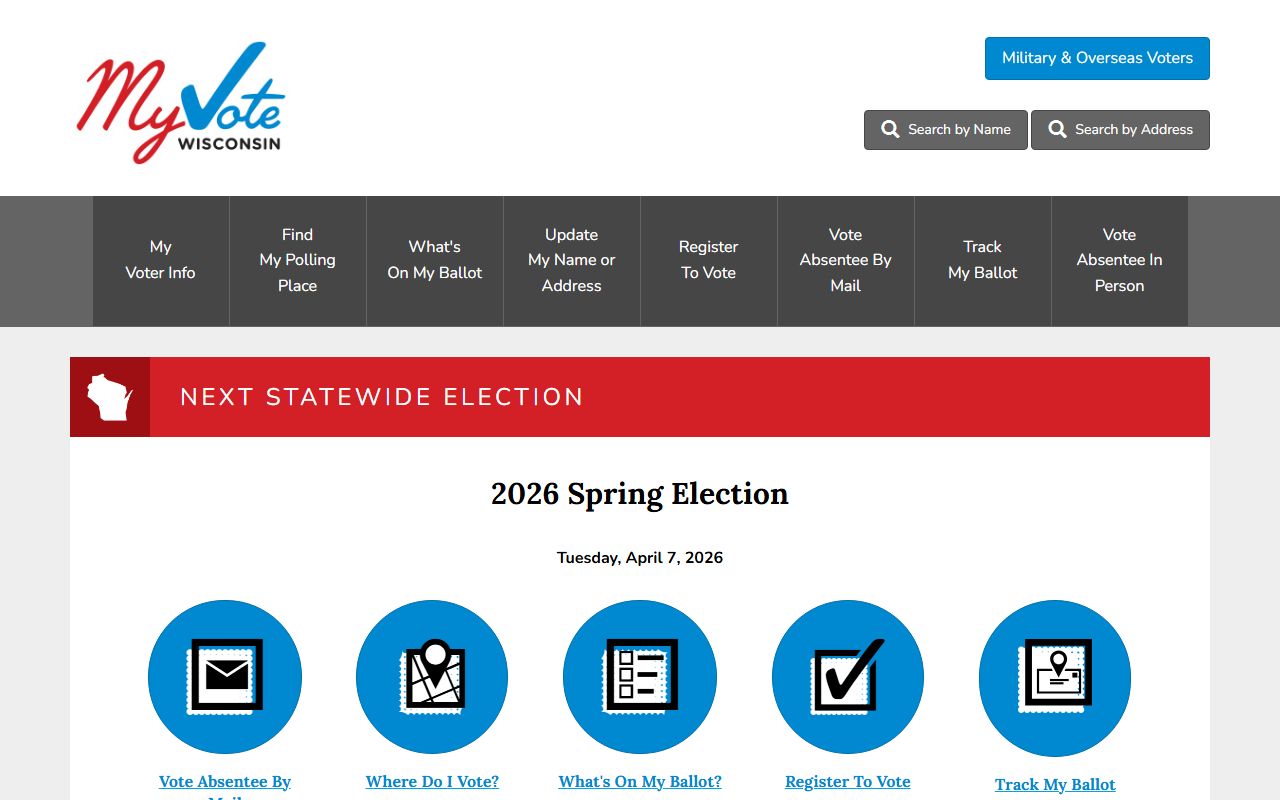
That image fits the opening stage because many Plover searches start as an address question before they turn into a police, clerk, or court lookup.
Plover People Search and Police Records
For a police-based Plover People Search, the fastest path is usually the one with the smallest amount of guesswork. The department can work from a date, location, name, or report clue, and that is often enough to confirm whether a record is local or whether the question belongs somewhere else. A short request that identifies the incident is more useful than a broad request that asks for everything tied to a person, because the police desk can match the file to a specific call or event.
The shared phone number is helpful when you are calling from outside the village or following an old note from another document. Because both the emergency and non-emergency contact point to the same department, you do not need to second-guess which office to reach. If the local record exists, the police desk can usually tell you whether the next step is still village-based or whether it has become a court or state follow-up.
If the police file later leads to a case, the Wisconsin court pages are the next place to look. The statewide index at WCCA can confirm whether the name also appears in a public circuit court record, and Wisconsin Court System gives you the broader structure behind that search. That is important because a police record and a court record are related, but they are not the same document.
Plover People Search Through Village Clerk Records
The Plover Village Clerk at 2400 Post Road is the office to use when the question is about village business instead of a police contact. Municipal files, local notices, meeting materials, and other village records can mention a person without involving law enforcement at all. That makes the clerk side important when the clue comes from a village action, a local address, or a document that seems administrative rather than investigative.
Plover People Search can also benefit from a quick identity cross-check when the clue is tied to an address or current residence. MyVote is useful in that role because it helps you separate a present-day voter or registration question from a police or court question. If you are not sure whether the person belongs in a village file or a different Wisconsin record, that extra check can save a lot of backtracking.
The shared Post Road address also tells you something practical about Plover records: the village keeps its public-facing work concentrated in one place. That helps when you need to ask whether a document is public, which office controls it, or whether the next stop should be a Wisconsin state page. The clerk can often narrow the question before you move on to another office.
Wisconsin Court, Vital Records, and People Search Follow-Up
When Plover People Search moves beyond the village office, the court pages are the cleanest statewide follow-up. WCCA is useful when you want to see whether the person or event shows up in a circuit court case, and the broader court system page helps you understand how that case fits into Wisconsin’s public court structure. If your village clue has turned into a hearing or docket question, those pages give you a better path than a general internet search.
Some searches are about family or identity context instead of a live court matter. When that happens, the Wisconsin vital records page at dhs.wisconsin.gov/vitalrecords/index.htm is the right reference because it covers the certificate side of the record trail. Birth, death, marriage, and divorce records can explain why a person appears under a different name or why the address trail shifts over time. That kind of context often makes the rest of the search clearer.
The Wisconsin State Law Library at wilawlibrary.gov is a good support page when you want to read the court landscape before making a request.
If the question turns toward custody or supervision, the DOC locator at appsdoc.wi.gov/lop is the state check to use. It is not a village record, but it can confirm whether the trail moved into Wisconsin corrections.
Next Steps for Plover People Search
The best Plover People Search workflow is to match the clue to the office before you contact anybody. Use the police department for incident questions, the village clerk for municipal records, WCCA when a clue becomes a court case, and the vital records page when the answer looks like a certificate or family-history problem. That sequence keeps the search from drifting between offices that do not own the file.
If you still have only a person name and a general location, start with the office that most likely created the record and let that answer decide the next step. The village police and clerk share an address, which makes the local trail easier to keep organized. Once the local source has done its part, the state pages can fill in the gaps without forcing you to repeat the same request at every desk.
That is the simplest way to keep a Plover search accurate. Find the office first, confirm the record type, then use the Wisconsin pages only when the clue clearly leaves the village.