
Shawano People Search
Shawano People Search works best when you start with the office that already owns the record and then move to Wisconsin state pages only if the local trail needs a second look. In Shawano, the police department and city clerk share the same street address, which makes the city side easy to remember when you are sorting a name, a report clue, or a municipal filing. That same local trail can later point to a court case, a vital record, or a state corrections lookup, so it helps to keep the first step tied to the office that actually created the file.
Shawano People Search Basics
The Shawano Police Department is at 127 S. Sawyer Street, Shawano, WI 54166, and the phone number is (715) 526-3111. The non-emergency number is the same, which makes it easy to contact the department when you are checking whether a report exists or whether the matter belongs with another office. If the clue is an incident, a complaint, or a call tied to a street or date, the police desk is the best first stop because it can tell you whether the record is local and whether you need a follow-up elsewhere.
The Shawano City Clerk is at 127 S. Sawyer Street, and the clerk phone number is (715) 526-6115. That office is the better fit when the clue is a city filing, a municipal notice, or another local record that is not police-related. Because the clerk and police share the same address, it is easy to keep the city side of the search organized. That matters when you only have a surname or a short note and need to decide which municipal office is more likely to hold the document.
The statewide case screen at WCCA is a useful visual fallback when a Shawano clue starts to look like a court matter rather than a city file.
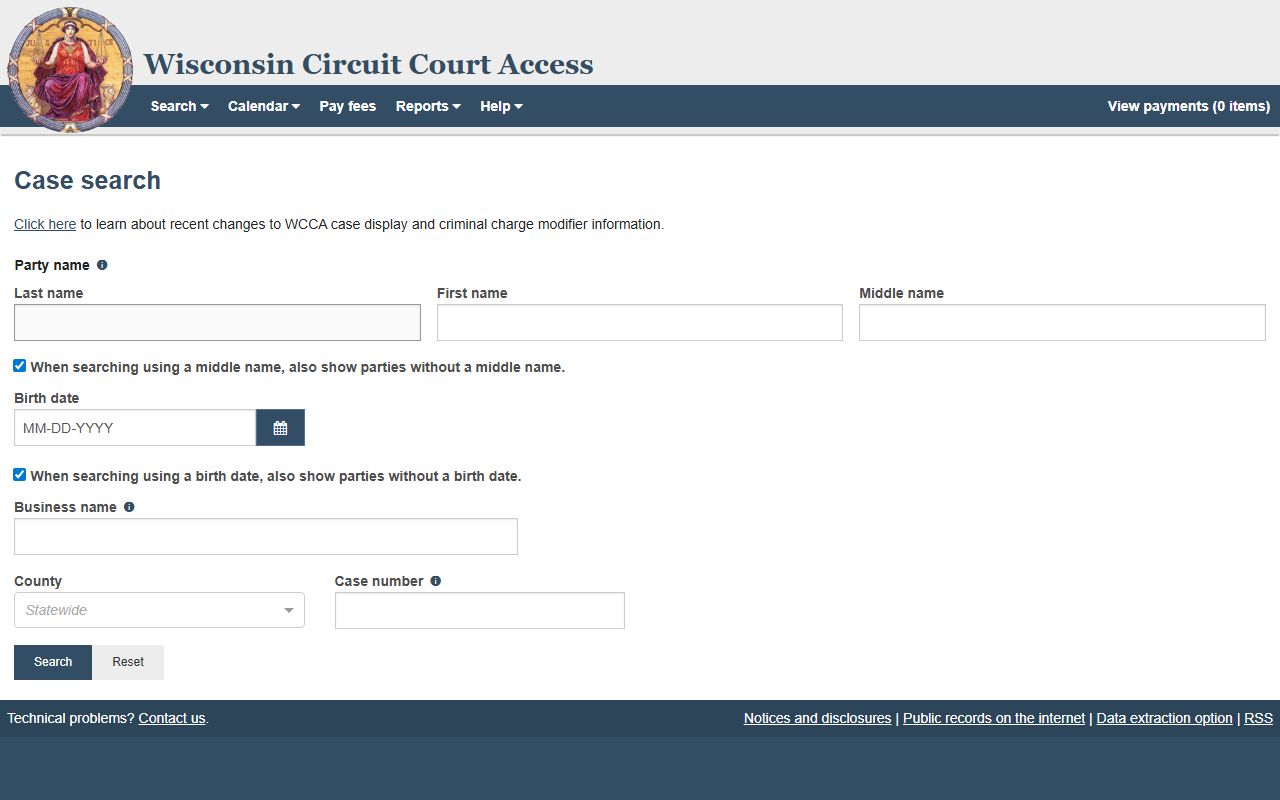
That image works well near the start because a Shawano name can move from a city office into a court file quickly once the record trail becomes public.
Shawano People Search and Police Records
When a Shawano People Search begins with a police event, the most useful details are the ones that point to a single incident. A date, a location, and the person’s name often tell the department enough to confirm whether the record is on file. That is better than a broad description because the police office can focus on the event that created the record instead of trying to sort a general name search. If you are calling to ask about a report copy, that level of detail usually makes the conversation more productive.
The shared phone number helps when you need to confirm the department before you make the request. Since the non-emergency number is the same as the main contact, the office is easy to reach for a local follow-up. The police desk can also tell you whether the issue seems likely to move into a case file or whether it should stay within city records. That distinction matters because the first record is not always the last record.
If the police trail turns into a public court matter, the Wisconsin court pages are the best next step. WCCA shows whether a name appears in a circuit court case, and the broader Wisconsin Court System site gives you the structure behind that case entry. That is the cleanest way to separate a city contact from a court file without losing the thread of the search.
Shawano City Clerk and People Search
The city clerk at 127 S. Sawyer Street is the Shawano office to use when the question is about municipal business instead of a police incident. Local filings, city notices, and public documents can all mention a person without creating a police record. That makes the clerk office important when the clue comes from city work, a public meeting, or another administrative trail that belongs to the municipality rather than law enforcement.
Shawano People Search can also benefit from a voter or residence cross-check when the clue looks like an address problem instead of a report problem. MyVote is useful for that kind of follow-up because it focuses on registration and address context. If a name appears in a city document and you need to verify the current residence side of the trail, that state tool can help you decide whether the record is local, statewide, or both.
Because the clerk and police are on the same street, the city side of the search is especially compact in Shawano. That is helpful when you are trying to identify the first office to contact, but it also means the record type has to guide the request. A municipal file and a police file can involve the same person while still belonging to different offices.
Wisconsin Court, Vital Records, and People Search Follow-Up
When Shawano People Search moves beyond the city office, the Wisconsin court pages are the most direct statewide follow-up. WCCA can confirm whether the person or event shows up in a public circuit court case, and the main court system page helps you understand the structure behind that result. If the local clue becomes a case number or docket reference, those pages give you a cleaner path than trying to sort it out from a city summary alone.
Some records questions are about identity history rather than a police or court event. The Wisconsin vital records page at dhs.wisconsin.gov/vitalrecords/index.htm is the right reference when the clue points to a birth, death, marriage, or divorce record. Those records can explain a name change, a family connection, or an address shift that makes the person easier to identify in later files.
The Wisconsin State Law Library at wilawlibrary.gov is a good support page when you want to understand the court trail before you contact another office. It can help you sort court terms, record types, and public-access questions.
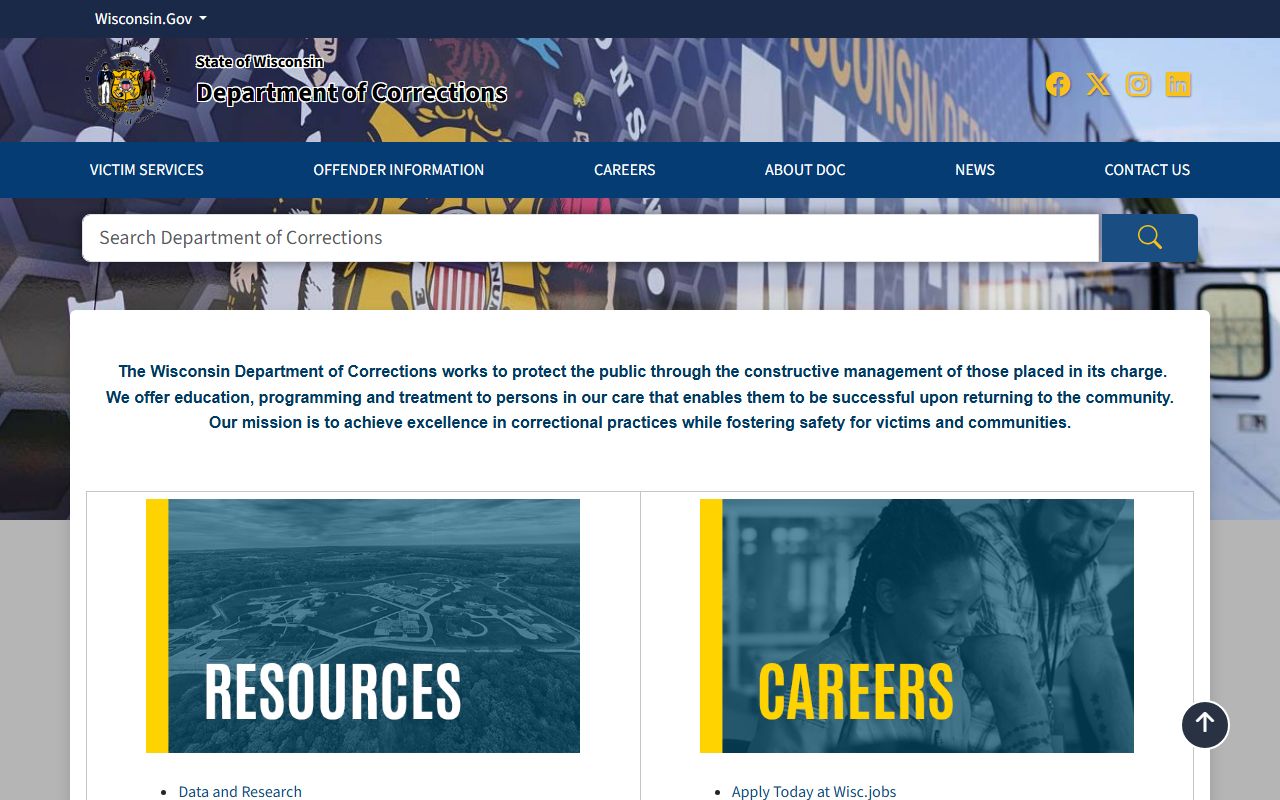
That image fits the follow-up stage because a Shawano search sometimes moves from a city clue to a current state-status question.
If the person may be in custody or under supervision, the DOC locator at appsdoc.wi.gov/lop gives you the state corrections check to use. It is not a city record, but it can confirm whether the trail moved into Wisconsin corrections.
Next Steps for Shawano People Search
The simplest Shawano People Search workflow is to start with the record type, not the name alone. Use the police department for incident questions, the city clerk for municipal files, WCCA when the trail becomes a court matter, and the vital records page when the record is really about identity or family history. That order keeps the search tied to the office that likely created the document and avoids bouncing between offices that do not own the same file.
If the clue is still vague, begin with the local street address and the date before you call a different office. Shawano is one of those places where the city offices sit close together, so the first conversation can often tell you whether the trail belongs to city hall, the court system, or a state page. Once that happens, the rest of the search is much easier to manage.
That is the best way to keep a Shawano record search accurate and efficient. Start local, confirm the office, and use the Wisconsin pages only when the city record no longer answers the whole question.